Earth isn't getting angrier. So why does it feel that way?
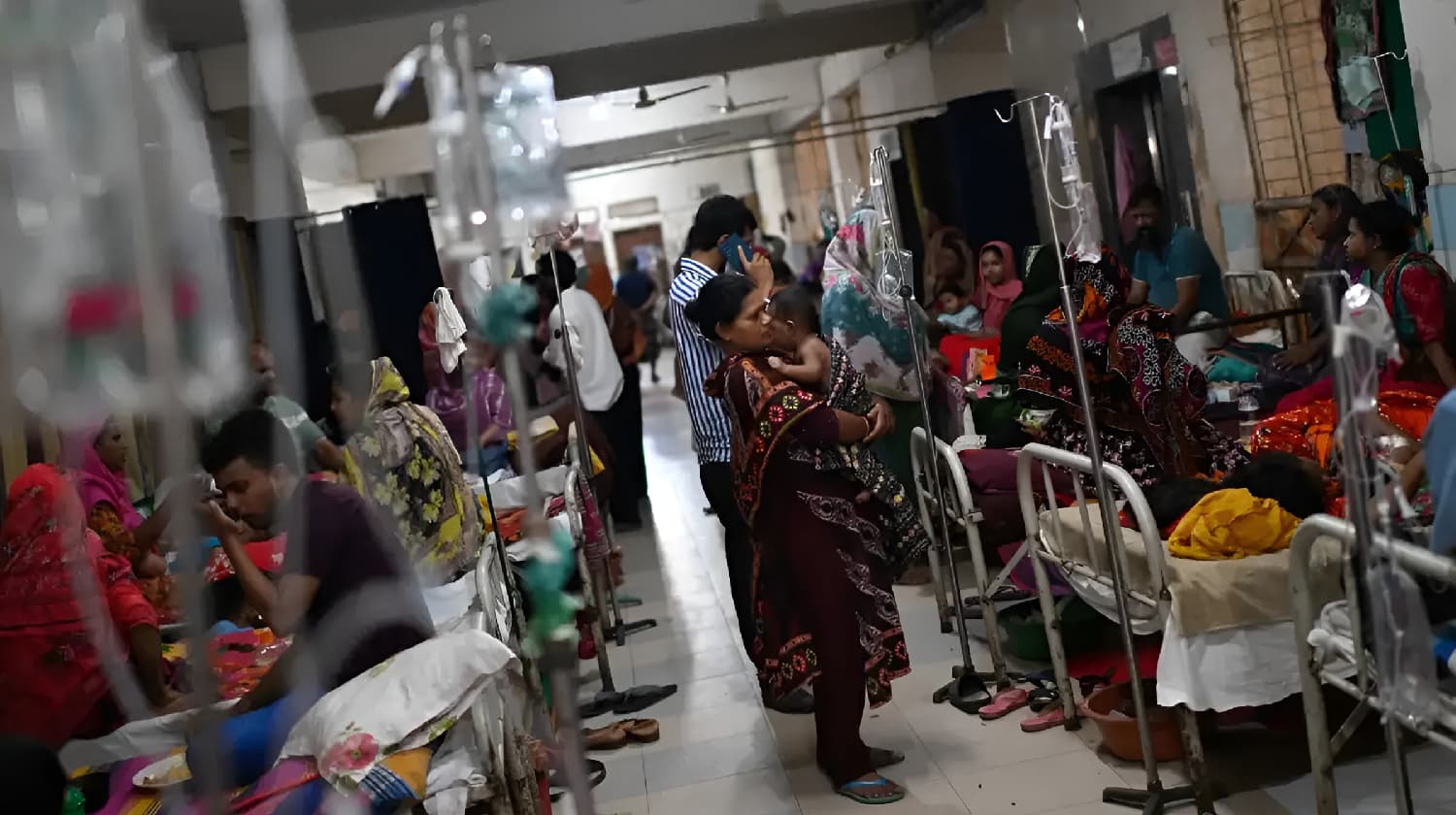
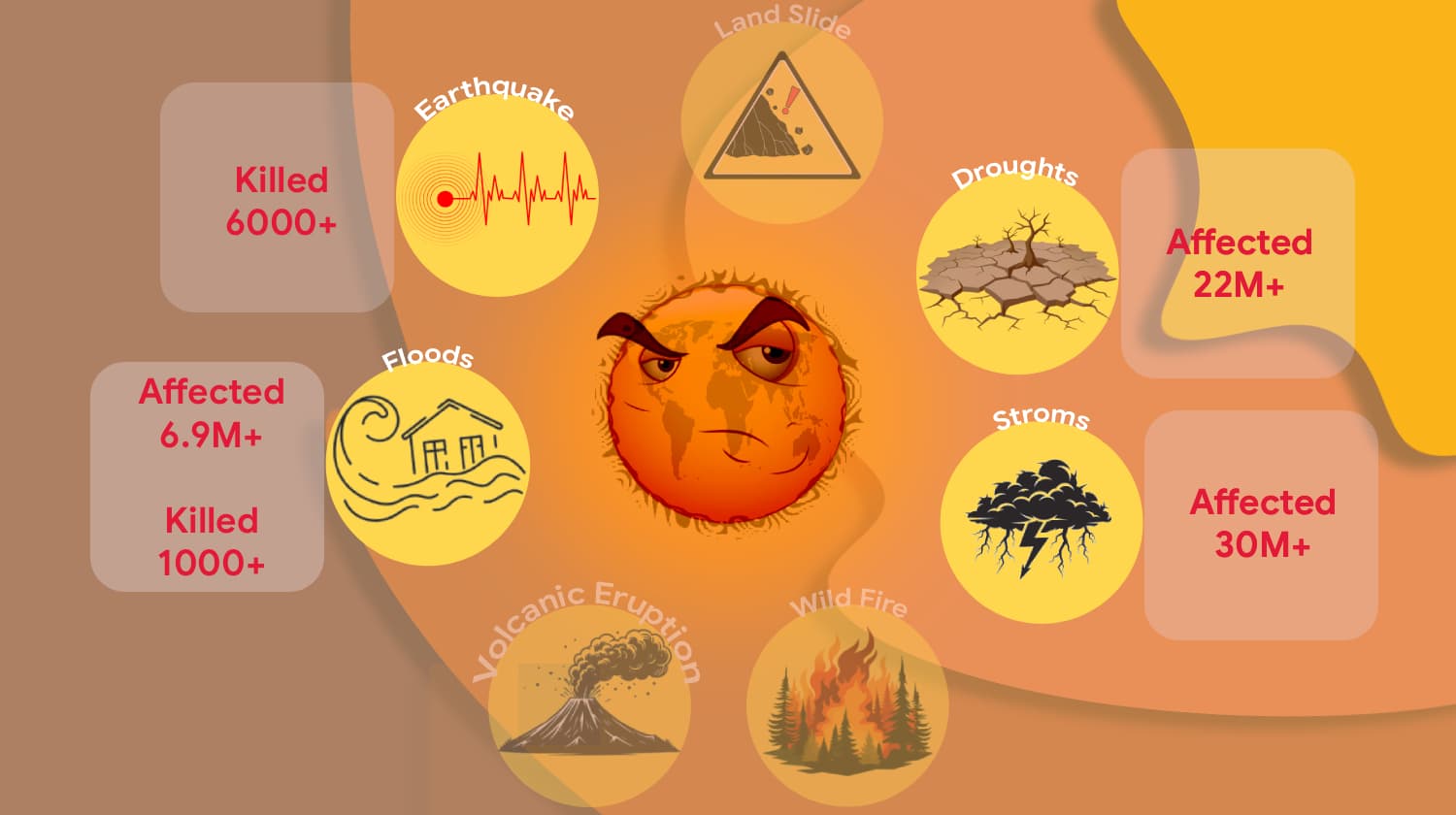
Scroll through the news on any given day and there is a good chance that somewhere on the planet, something is burning, flooding, shaking or collapsing.
- Analysis
Trending
Analysis - -
By Beyond Headlines Desk
For years, Bangladesh's success in containing militancy was held up as one of the country's important security achievements. After the Holey Artisan café attack in 2016, the law enforcement agencies were able to dismantle major militant networks and arrest their leaders through vigorous drives.
That relative calm, however, does not necessarily mean the threat of militancy disappeared.
A series of incidents over the past eight months is now raising a question that Bangladesh's security agencies may need to confront more seriously: are dormant militant networks beginning to reorganise?
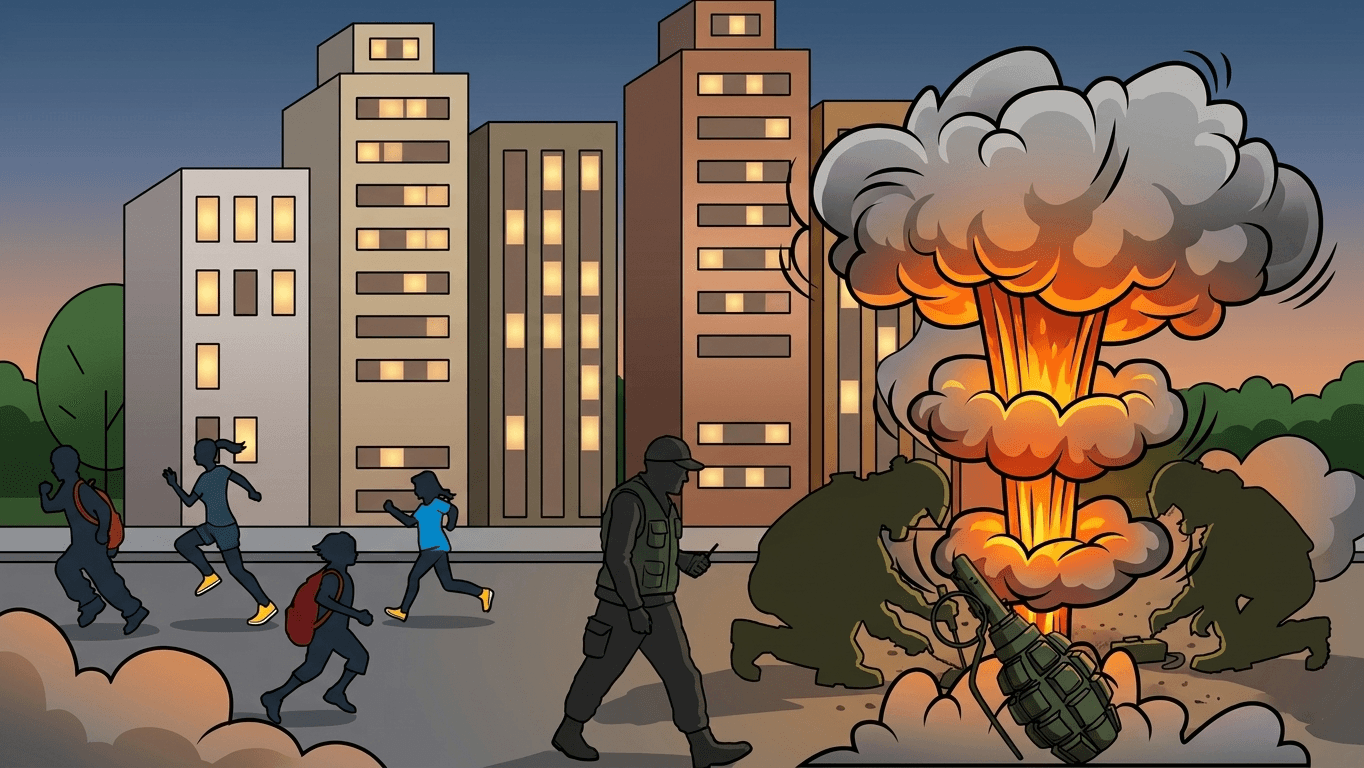
The question has become harder to dismiss after three incidents in less than 48 hours. On August 12, a powerful bomb was defused in Savar, a day after police recovered 14 pipe bombs and bomb-making materials from the area. The same day, a crude bomb-like object exploded outside the Barishal Judge Court, although nobody was injured.
Taken together, these incidents are becoming increasingly difficult to dismiss as isolated acts of sabotage or criminal activity. Rather, they point to a pattern that is difficult to ignore.
The sequence began with an explosion at a madrasa in South Keraniganj on December 26. Police subsequently recovered crude bomb-like objects, large quantities of chemicals and bomb-making materials from its premises and filed a case under the Anti-Terrorism Act.
Since then, there have been several similar incidents: an attack on police at a checkpoint in Jatrabari's Kutubkhali area in February; a bomb attack at a temple in Cumilla in March; a pipe-bomb explosion during a police search at Janapad Mor in Jatrabari; a bomb attack on officials of an intelligence agency in Dakshinkhan; the recovery of improvised explosive devices (IEDs) concealed inside an umbrella near the Motijheel Metro Rail Station in July; and the recovery of a pressure-cooker bomb from outside a grocery shop in Ashulia.
There was also the recovery of grenades and weapons in Jashore.
Investigators now say they have found links among these incidents and suspect banned militant outfits, including Neo-JMB, of being behind them. The discovery of a suspected bomb-making network in Savar has added another dimension to those suspicions. Reports suggest investigators believe the devices may have been planted at different locations as part of a wider plan for sabotage.
This is precisely where the issue deserves attention: some militant outfits may be trying to reorganise, posing potential security risks.
And there are valid reasons for such concern.
According to media reports citing Anti-Terrorism Unit data, at least 311 members of banned militant organisations who escaped amid the chaos following the toppling of the Sheikh Hasina government on August 5, 2024, still remain fugitives.
They include members of JMB, Ansar Al Islam, Neo-JMB and other banned outfits. Nine convicts serving sentences in extremist-related cases also escaped from Kashimpur High Security Central Jail during the uprising.
Security agencies have remained concerned about their whereabouts.
The figure does not mean that all 311 fugitives are currently involved in militant activities. Nor does the escape of the nine convicts prove that they have rejoined organised networks.
But it does raise an obvious security question: how effectively have the authorities tracked these people and assessed whether any have resumed contact with old networks?
That question becomes particularly relevant when bomb-making materials are being recovered at multiple locations, and investigators themselves are drawing connections between the incidents.
There is also a potentially important lesson in the Keraniganj case.
Police found not merely an explosive device but chemicals and materials that could be used to manufacture bombs. That suggests a capacity for preparation rather than simply possession of a single crude weapon.
At the same time, it would be premature to suggest that Bangladesh is witnessing a full-scale militant resurgence. There have been no recent militant attacks remotely comparable to the Holey Artisan attack, and the security agencies have demonstrated the ability to detect and neutralise several devices before they could cause mass casualties.
Indeed, the very fact that bombs have been recovered and defused could indicate that law enforcement is still capable of disrupting emerging networks.
But that should not become a reason for complacency.
Ministers and officials have maintained that there is no significant militant activity in Bangladesh. Such assurances may have been intended to prevent public alarm. Yet these recent discoveries of explosives inevitably make blanket assurances less convincing unless they are accompanied by clear explanations of who is making the devices, how they are moving around the country, and why the same pattern is appearing in different places.
The important question now is whether the country is seeing the early signs of something that could become more serious if left unattended.
Bangladesh has learned from bitter experience that militant networks do not necessarily announce their return. They can remain dormant, rebuild connections, recruit quietly, and test their capabilities before attempting something bigger.
The recent incidents may ultimately prove to be a series of disconnected events. But if investigators are correct that the same extremist network is behind them, then the country has been given an early warning.
The sensible response is neither panic nor denial.
It is to find out exactly who is behind these devices, how they obtained the materials, who their associates are, whether fugitives have re-established networks, and whether the state has lost any of the intelligence capabilities that once helped dismantle militant organisations.
Those questions need convincing answers before the next bomb is found or, worse, before one explodes.Google
Scroll through the news on any given day and there is a good chance that somewhere on the planet, something is burning, flooding, shaking or collapsing.
- Analysis