
Does Waymo have its own definition of ‘safe’?
America’s streets are being taken over by self-driving robotaxis operated by Waymo, which claims they are safer than human drivers. But what does “safe” actually mean to them?
- Feature
Trending
Feature -
Illustration: Beyond Headlines
Walk into hospitals across Bangladesh’s Khulna division, and you will find patients lying on the floor, sitting on mats, and waiting in crowded corridors. Their only hope is to find a bed and get treatment. This is now the reality there, as dengue cases continue to rise rapidly.
One more people have died from dengue in the past 24 hours, while 252 new patients have been admitted to hospitals. This brings the total number of dengue cases in Khulna division this year to 8,532, with 28 deaths.
Of the latest admissions, 229 were in government hospitals and 23 in private facilities. Currently, 970 dengue patients are receiving treatment across the division. The numbers show how quickly the situation is changing. Among the districts, Khulna has recorded the highest number of cases.
For Mohammad Badal, dengue has been a painful 13-day battle. He improved after treatment at another hospital and returned home, but two days later, his condition worsened, forcing him back to hospital.
Another patient, Asim Kumar, was also dealing with the disease alongside his wife. His wife developed diarrhoea, vomiting and fever. Tests later confirmed that she had dengue.
Meanwhile, doctors are treating far more patients than the hospital was designed to accommodate.
Many dengue patients in Khulna are seeing falling platelet counts, increasing the need for blood. As cases surge, blood banks face shortages, while relatives struggle to find donors.
The Civil Surgeon’s office says it is still unclear why dengue cases are so high in Khulna. Preparations began two months earlier, including cleaning drives, mosquito control, and cleaning drains and canals. Despite these efforts, officials did not expect such a large outbreak. Dengue isolation wards are being arranged, while health workers are raising awareness and visiting homes. Medical teams are also holding daily camps in different city wards.
The city corporation has also divided its 31 wards into risk zones, with 10 classified as red zones.
However, the bigger challenge is clear: Controlling the mosquito before the hospitals become overwhelmed. Because dengue is not only creating more patients. It is also testing how much pressure the healthcare system can take.
America’s streets are being taken over by self-driving robotaxis operated by Waymo, which claims they are safer than human drivers. But what does “safe” actually mean to them?
- Feature
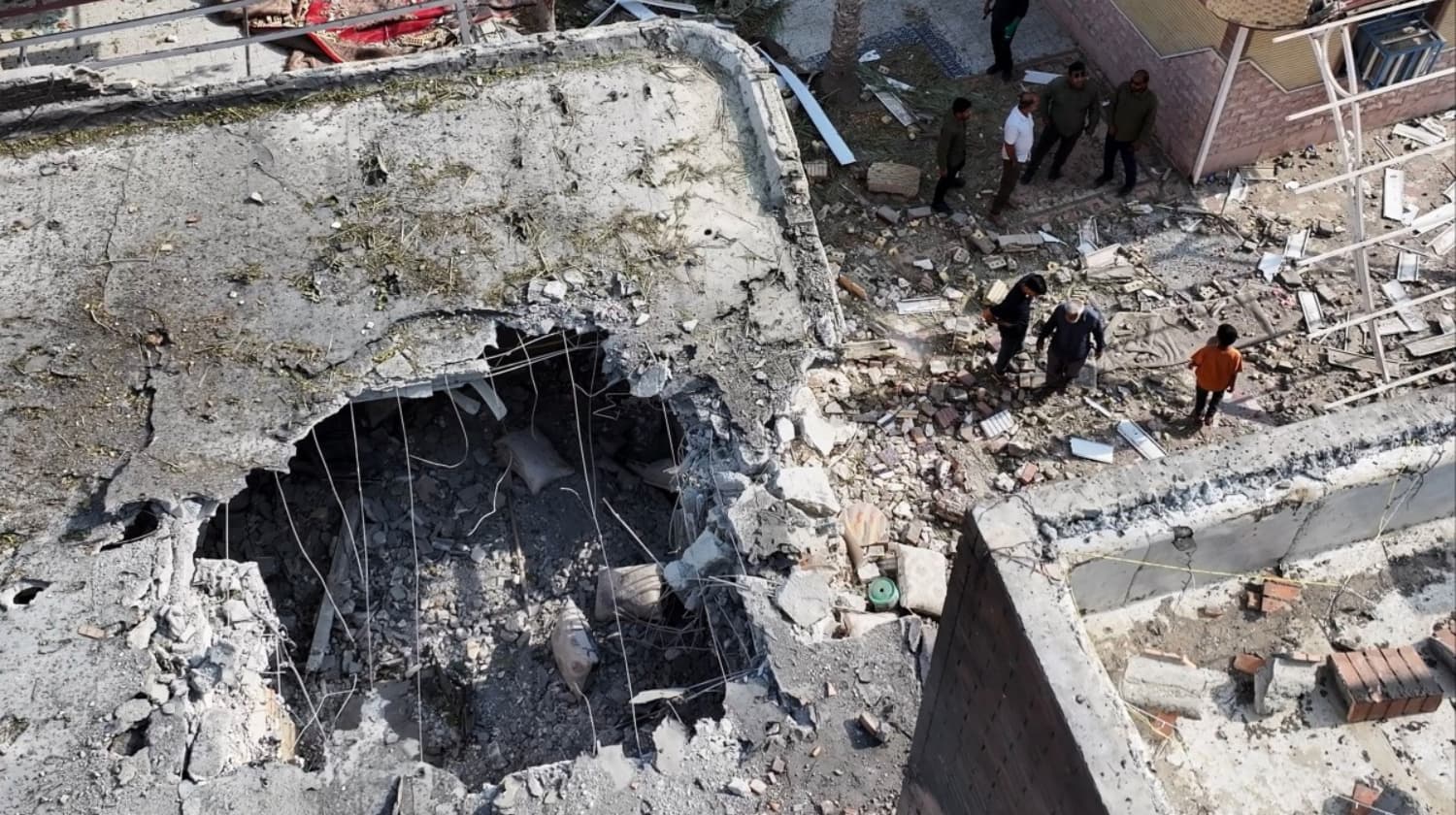
What began as a wedding celebration in southern Iran ended in devastation after a reported US strike hit a residential area in Kuhestak, in Sirik County, killing civilians and injuring dozens as fighting between Washington and Tehran escalated once again.
- Feature