


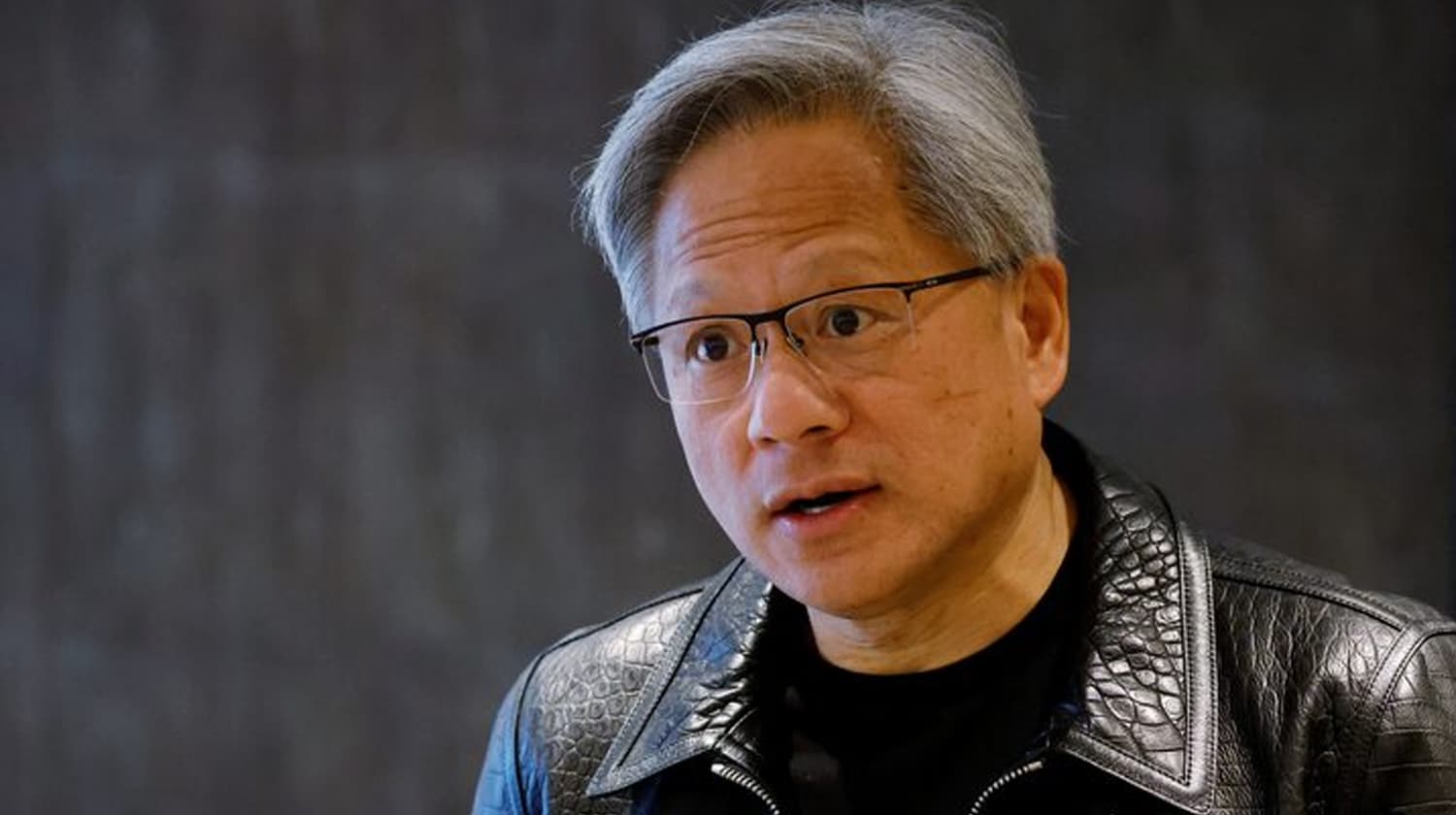
Nvidia hires major US law firm to investigate alleged Chinese spy affair
Nvidia has hired one of the largest law firms in the US to investigate the affair between its own chief executive and an alleged Chinese spy.
- Headlines Today
Trending
Business - -
Photo: Collected
Stakeholders on Saturday urged the government to establish a dedicated authority to develop Bangladesh’s halal industry, saying the sector’s potential could not be realised without a central coordinating body.
They proposed forming a Halal Industry Development Authority of Bangladesh, or HIDAB, following the models of Malaysia and Indonesia, two Muslim-majority countries with significant shares of the global halal market.
They made the call at ‘Investors Meet Up 3.0’, organised by BDFairs and Junior Chamber International Dhaka Achievers, in cooperation with the Bangladesh Chamber of Industries, Leather Foundation of Bangladesh, and Japan-Bangladesh Chamber of Commerce and Industry in the capital.
Halal products are goods that are permissible under Islamic law for Muslims to consume, use or purchase.
In the keynote presentation, Md Mominul Islam of Daffodil International University said the global halal market was worth $7.7 trillion in 2024, according to Dinar Standard’s Global Islamic Economy Report 2024.
The market is projected to grow by 6.2 per cent annually to $12.6 trillion by 2034, serving about 1.9 billion Muslim consumers.
Food accounts for the largest share at $3.36 trillion, followed by fashion at $1.31 trillion, tourism at $1.30 trillion, pharmaceuticals at $1.24 trillion, and cosmetics at $460 billion.
Bangladesh exported halal products worth $943 million in the 2025–26 financial year, with 802 products and 301 producers certified, the presentation said.
‘With Muslims accounting for about 91 per cent of its population, Bangladesh has a large domestic market, while Organisation of Islamic Cooperation countries offer significant export opportunities,’ Mominul said.
BCI President Anwar Ul Alam Chowdhury Parvez said the country exported about $900 million worth of processed goods on the assumption that products made in a Muslim-majority country were automatically halal.
Weak certification, compliance hold industry back
Bangladesh exports $943m worth of halal products in FY26
International buyers, however, required proper certification, he said.
‘The sector could add $8–10 billion to the economy without major new investment if testing, compliance, awareness and traceability are addressed,’ he said, adding that the BCI had drafted halal policy guidelines in consultation with exporters, expatriates and academics.
Parvez said agriculture, remittances and exports, three major pillars of the economy, had stagnated, while automation was limiting job creation in the garment sector.
The BCI was also promoting light engineering, a $7 trillion global market in which Bangladesh’s exports were below $200 million, he said.
He identified a lack of awareness and the prevailing mindset, rather than funding, as major barriers to the growth of the halal industry.
In his presentation, Mominul identified halal agricultural technology, including premium seeds and organic rice, and halal logistics, including warehousing, export processing zones, cold chains and ports, as promising investment areas.
He also highlighted opportunities in the blue economy, including producing halal gelatin from marine fish by-products for food, pharmaceutical and cosmetic industries, as well as pearl and gem cultivation.
He said maintaining halal standards across supply chains, ensuring Shariah compliance and strengthening governance were major challenges.
He proposed an integrated approach combining Shariah compliance, governance oversight, financial technology and global marketing, supported by blockchain, the Internet of Things and QR-code-based traceability.
Investments could be made through Islamic financing instruments such as mudarabah, musharakah, murabahah, ijarah, salam and istisna, he added.
In a panel discussion, participants said the ASEAN halal market was worth about $600 billion.
They noted that demand for halal products was also growing among non-Muslims because of their association with hygiene, safety and traceability.
Weak compliance, inadequate certification and low consumer awareness were holding the sector back, they said.
They said the Islamic Foundation and the Bangladesh Standards and Testing Institution had differing requirements, while Bangladesh lacked internationally accredited testing laboratories.
Ensuring the traceability of raw materials, ingredients and animal origins remained another major challenge, they added.
Source: New Age
Nvidia has hired one of the largest law firms in the US to investigate the affair between its own chief executive and an alleged Chinese spy.
- Headlines Today

Bangladesh and South Korea have agreed to finalize the draft of the Comprehensive Economic Partnership Agreement (CEPA) by December this year, paving the way for its formal signing at a high-level meeting.
- Headlines Today

The Bangladesh Securities and Exchange Commission (BSEC) on Tuesday decided to bring bonds trading on the Alternative Trading Board (ATB) into the main board and introduce a "Single Window Review" system for initial public offering (IPO) applications.
- Headlines Today

The government believes it can achieve 6.5 per cent economic growth in the current fiscal year (FY27), despite inheriting what it describes as a battered economy, said Rashed Al Mahmud Titumir, the prime minister’s adviser on finance and planning, yesterday.
- Headlines Today
