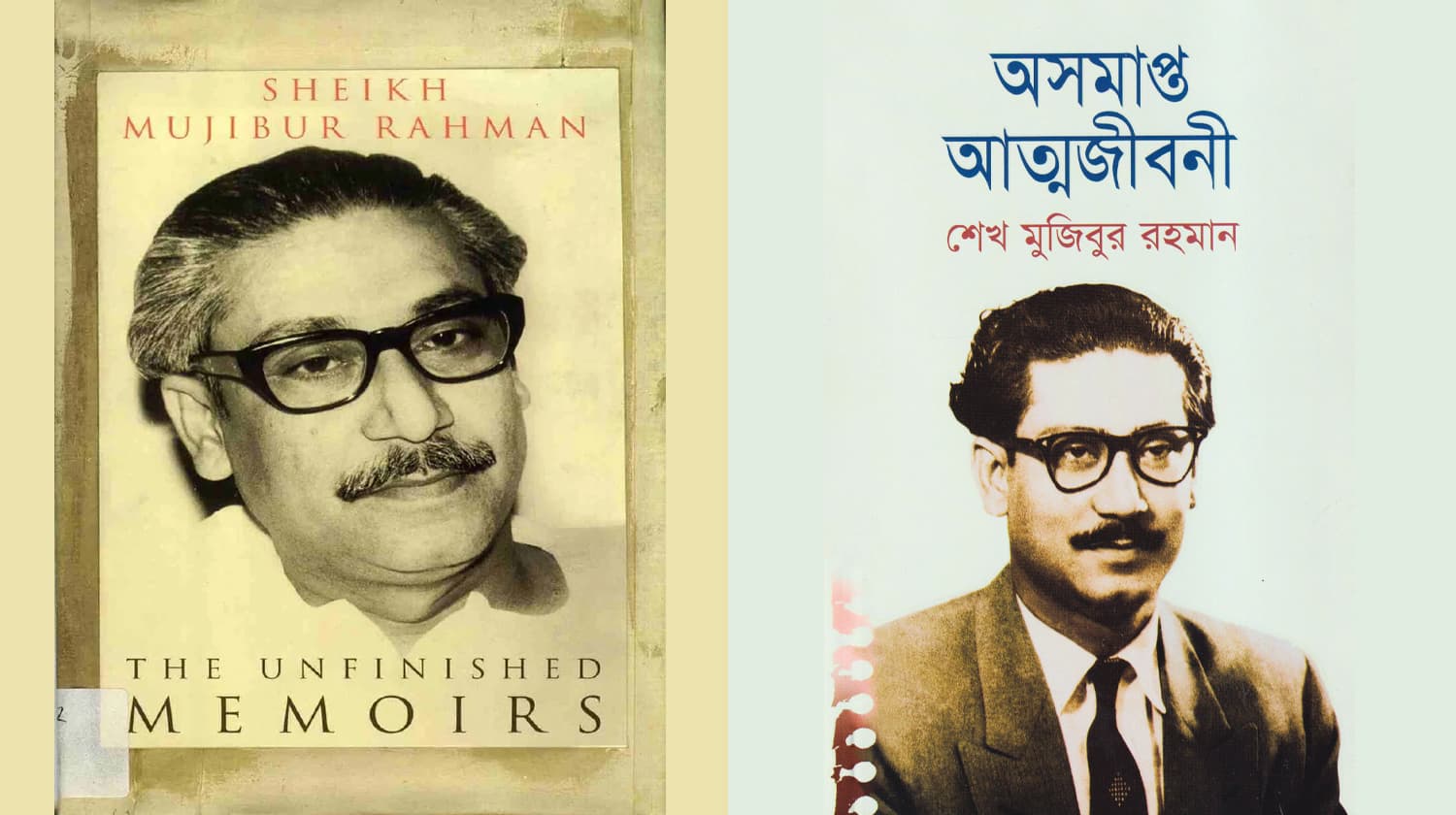
The Unfinished Memoirs: Why stop sales if not banned?
A mob shut UPL's Banglabazar outlet over selling Sheikh Mujibur Rahman's memoirs, raising critical questions about the rule of law and publication rights.
- Opinion
Trending
Opinion - -
Graphics: Beyond Headlines
BNP reserved-seat lawmaker Ferdousy Ahmed submitted her resignation to the Speaker Hafiz Uddin Ahmad at the Jatiya Sangsad Bhaban this afternoon amid the controversy over the attack, looting and vandalism at the Radda MCH-FP Centre in the capital’s Mirpur area.
Prime Minister and BNP Chairman Tarique Rahman asked her to step down as a member of parliament, according to media reports quoting the Prime Minister’s Office. Her resignation came while the investigation into the incident is still underway and no findings have yet been made public.
Primary investigation suggests the involvement of some of her close associates in the attack. Ferdousy has denied any involvement.
Still, her resignation is significant. It is not often that a sitting lawmaker gives up her seat so quickly after being asked to do so by the party leadership, especially while an investigation is still in progress.
There is a message in the decision. At least for now, the government appears to be saying that allegations of violence, vandalism and abuse of political influence cannot simply be brushed aside because the person facing the allegations has political connections.
That matters at a time when concerns about law and order are growing. Several recent incidents have raised questions about whether the authorities can prevent violence, protect public property and services, and keep politically connected people in check.
However, the resignation is only the beginning.
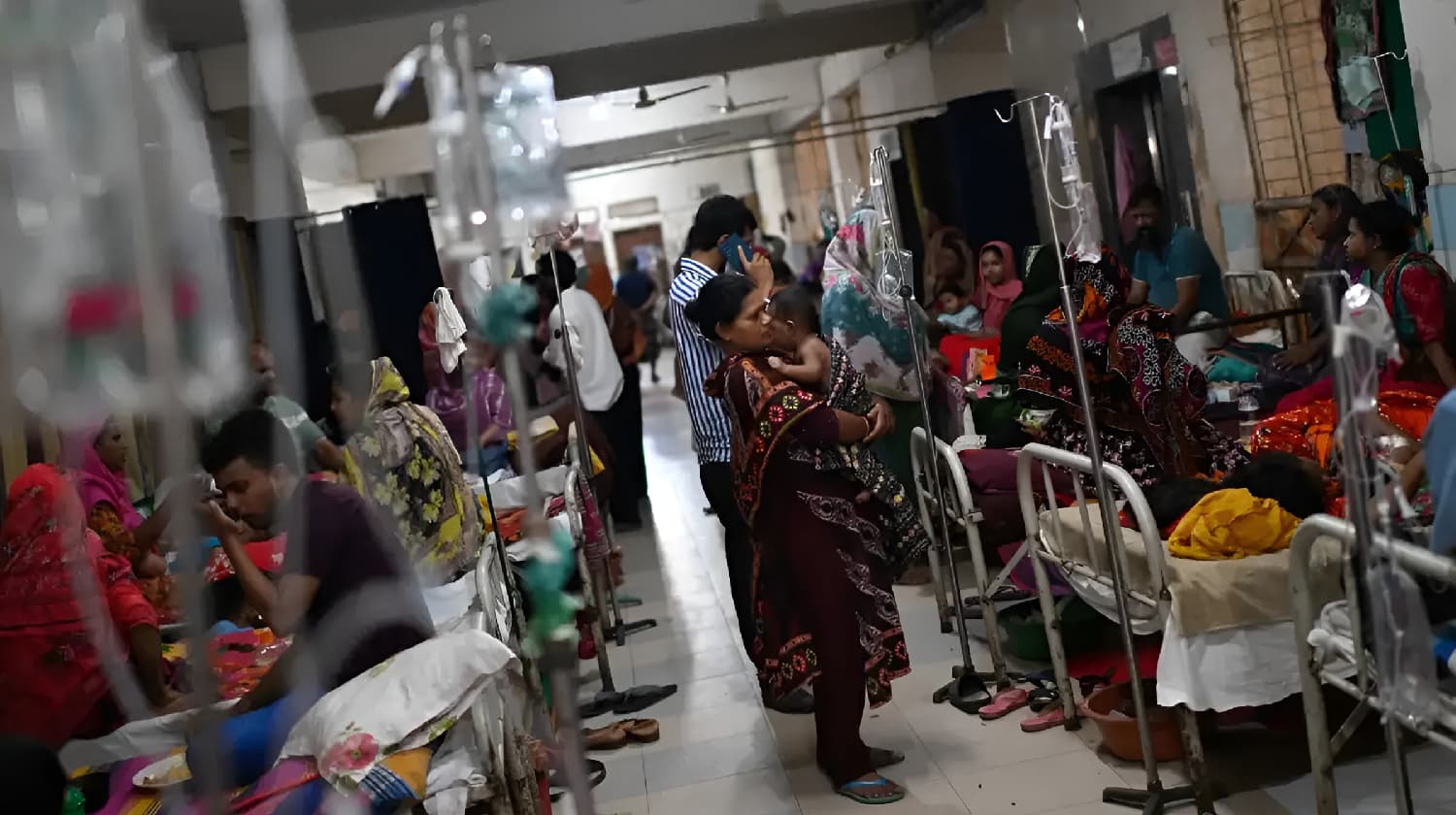
The Radda MCH-FP Centre has been providing free primary healthcare, maternity care and family planning services to poor and disadvantaged women and children in Mirpur since 1974.
The centre was attacked around midnight on September 24 by more than 200 people, according to police and case documents.
The attackers allegedly held security guards hostage, took away medicines, medical equipment and other valuables, and used heavy machinery to demolish parts of the facility.
A case filed with Shah Ali Police Station names local BNP leader Hanif Mia and 200-250 unidentified people as accused. Hanif has denied involvement. Police have since arrested several people and recovered two truckloads of allegedly looted goods.
The midnight attack sparked nationwide condemnation and public outrage.
A preliminary investigation found that police personnel were present while the looting was taking place but failed to take effective action. The officer-in-charge of Shah Ali Police Station was subsequently withdrawn, while a broader investigation into the police role was ordered.
Home Minister Salahuddin Ahmed said on Wednesday that the alleged involvement of the lawmaker was being investigated and that nobody would be spared if evidence of involvement was found.
Ferdousy's resignation should therefore not be treated as the end of the matter.
There are other questions that remain unanswered.
Who planned the attack? Who organised the people who entered the centre? Who provided the machinery? Who took away the medicines, furniture and medical equipment?
These are questions the investigation must answer.
Accountability should not stop with those who happened to be at the scene. If investigators find evidence of people who planned, ordered, financed or facilitated the attack, they too must face the law.
There is another challenge.
Major incidents in Bangladesh often disappear from public attention as newer crises take over the national conversation. Sometimes investigations drag on. Sometimes public attention moves elsewhere. Sometimes the case simply disappears from the national conversation.
The pressure on the authorities will therefore be to keep the investigation moving even after the headlines have faded.
If the investigation is thorough and transparent, and everyone against whom there is credible evidence is held accountable through due process, it would send a much stronger message.
What matters now is whether the investigation establishes the full chain of responsibility and whether everyone against whom credible evidence emerges is held accountable through due process.
If that happens, the episode could become an important demonstration that political connections do not automatically provide protection from accountability. If it does not, the resignation may remain little more than a symbolic response to a serious incident.
A mob shut UPL's Banglabazar outlet over selling Sheikh Mujibur Rahman's memoirs, raising critical questions about the rule of law and publication rights.
- Opinion
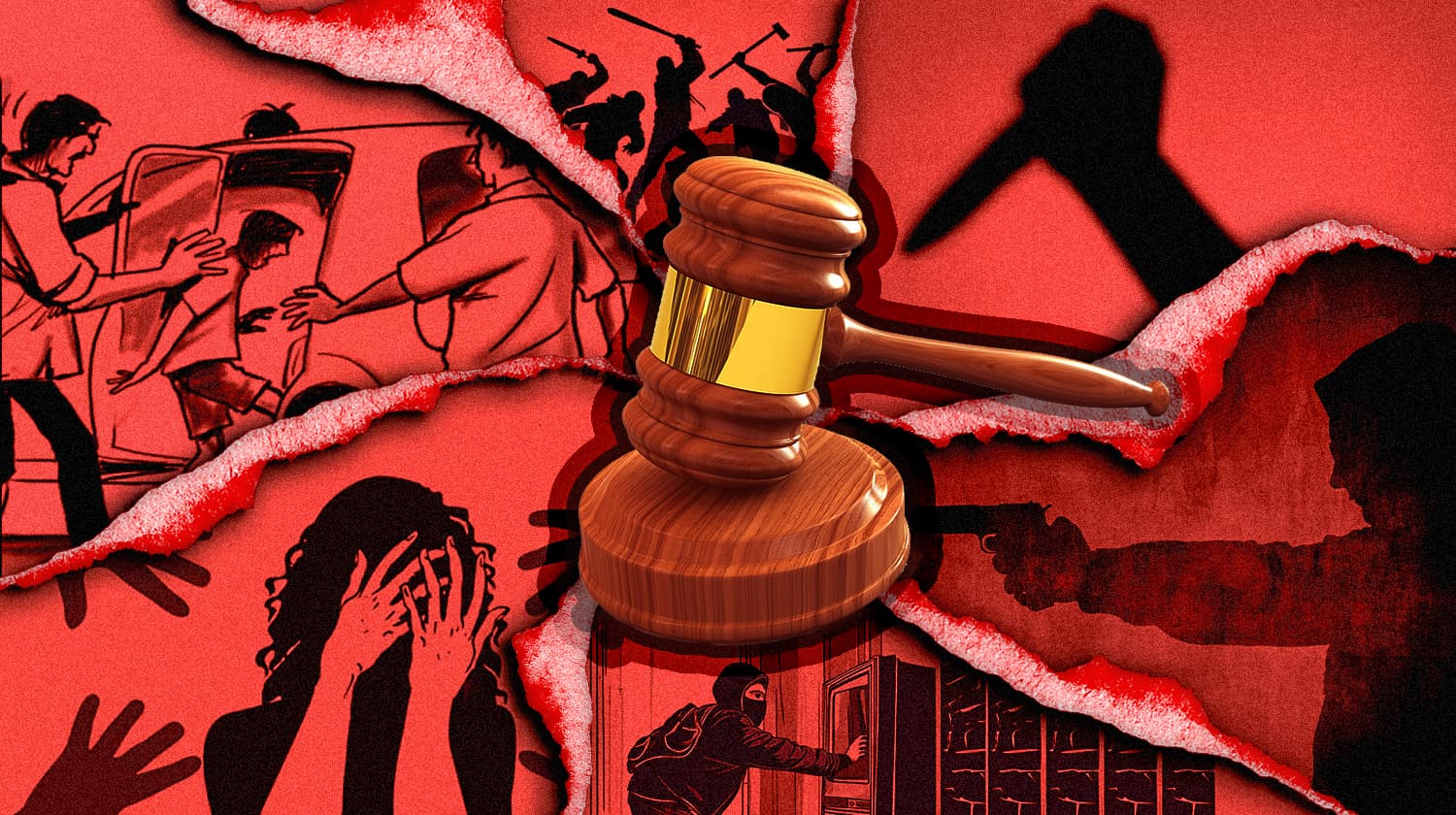
Despite familiar government assurances of strict action, brazen daylight attacks have left citizens grappling with a profound crisis of public confidence.
- Opinion